Ash Wednesday - Santa Sabina Station Church
We start our Roman Lenten stations remembering this tradition dates back to before the 7th Century, where then Pope Saint Gregory the Great established the order of the churches to be visited, the prayers to be recited, and designated this as a Lenten practice.
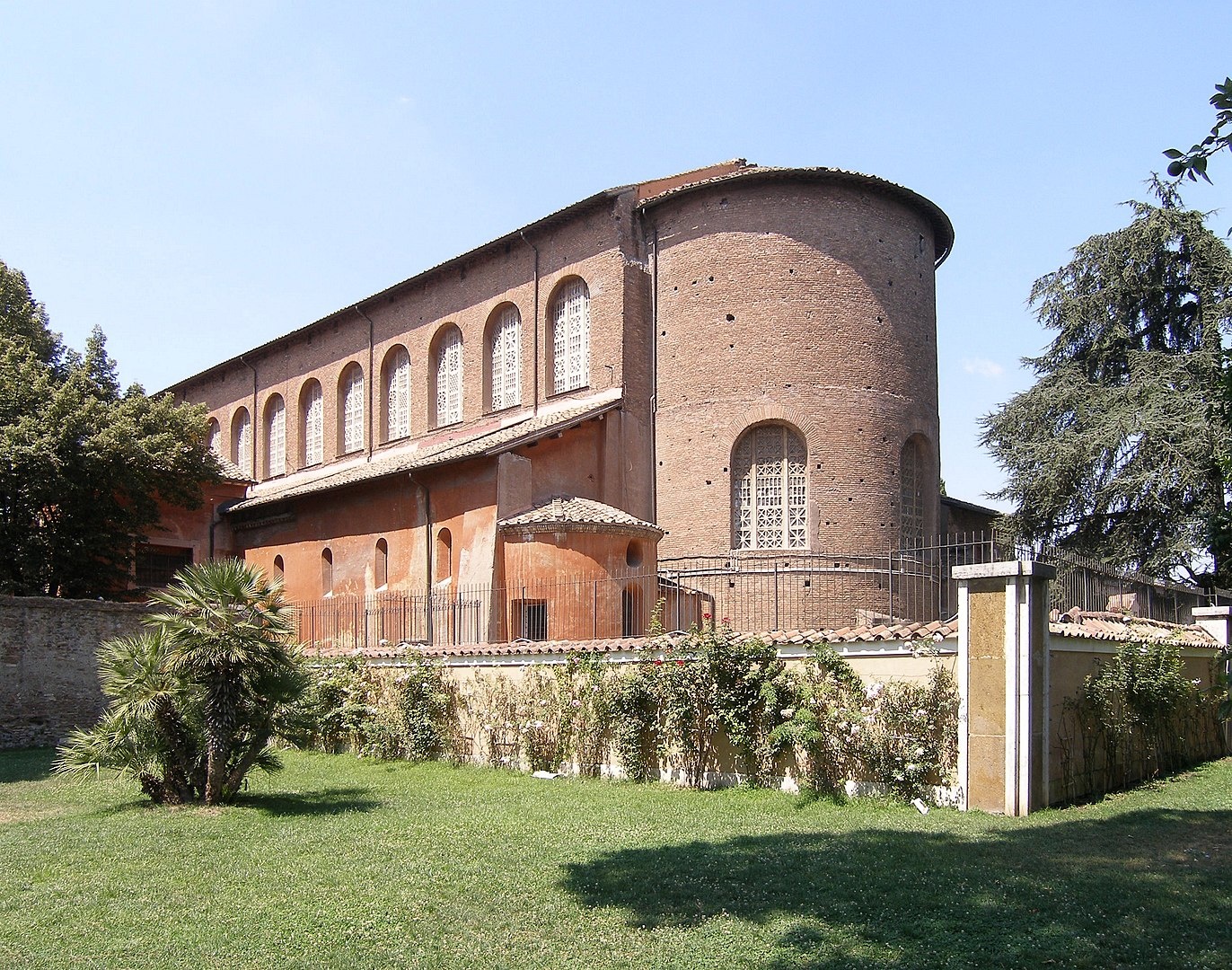
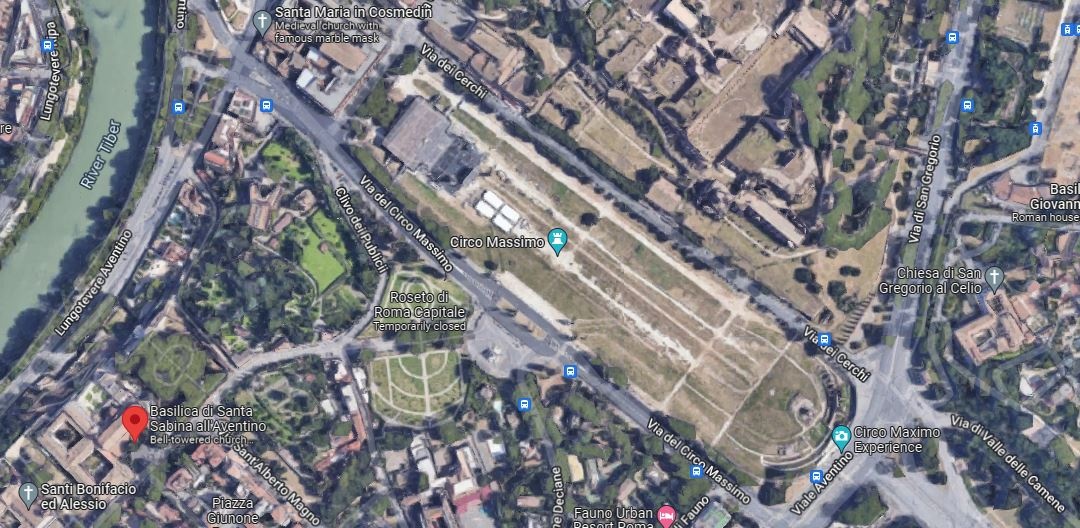
Our first station is the Basilica of Saint Sabina (or Santa Sabina) located on the Aventine Hill not far from Circus Maximus. It is a titular minor basilica and mother church of the Roman Catholic Order of Preachers, better known as the Dominicans
Santa Sabina is one of Rome’s domus ecclesiae, or house churches. During the persecutions, Christians had to meet secretly to celebrate the sacraments. Often they would do so in the homes of the wealthy as they were the one’s who were able to accommodate the faithful. These homes were given the title, or titulus, of the owner. In this case Titulus Sabina. Once Christianity was legal, the houses were converted into churches and most of these churches kept the original name. The former property owners were often saints, Sabina was a martyr, so the Titulus changed to Santa, and now we have Santa Sabina.
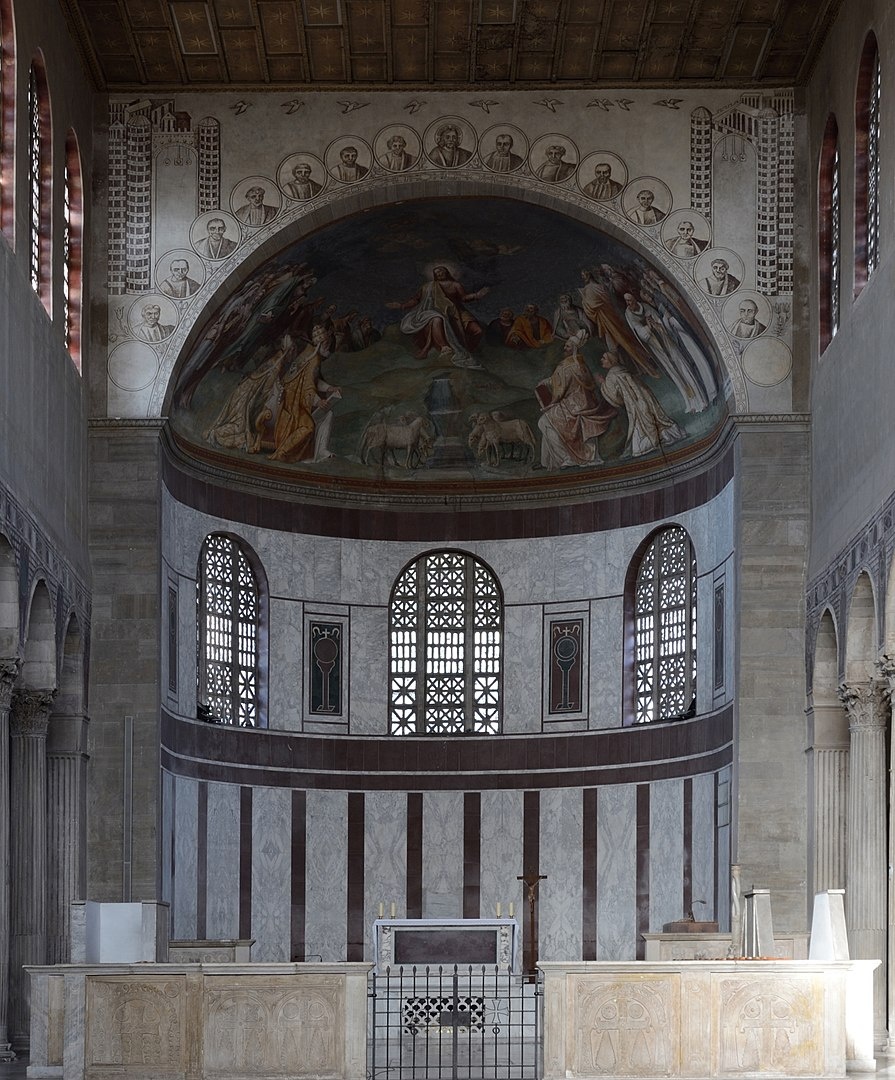
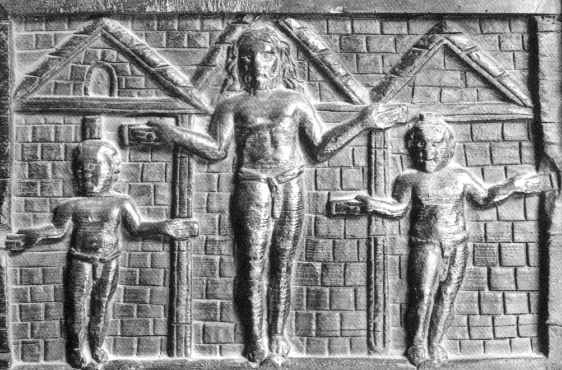
The basilica was originally built between AD 422-432, rebuilt in 834 and restored in 1914. The architectural highlight of this basilica has to be the cyprus doors. The doors are carved with scenes from the Old and New Testaments. The quality of the carvings vary, some panels are even missing. But what is fascinating is that the doors are original, from the fifth century. That makes these wooden doors over 1500 years old!
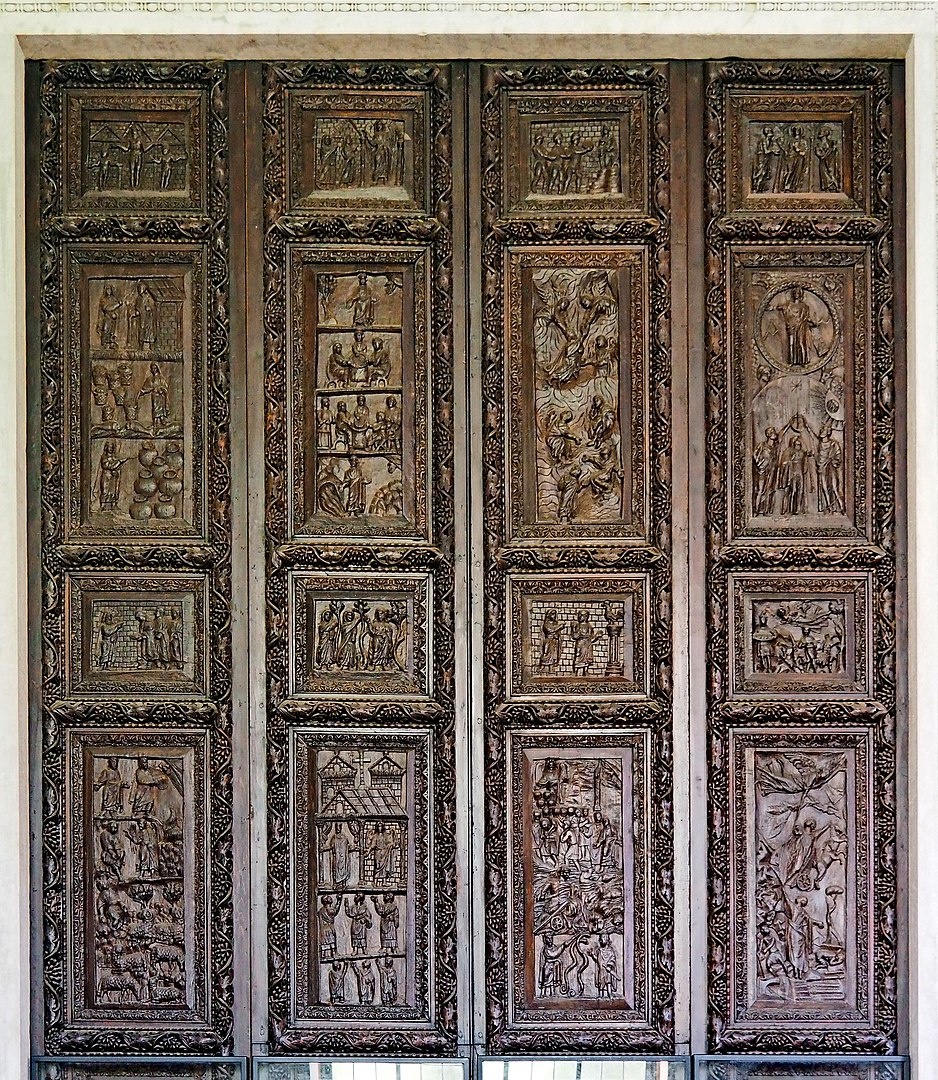
Also interesting to note is that the crucifixion scene is thought to be one of the earliest surviving depictions of Christ’s crucifixion.
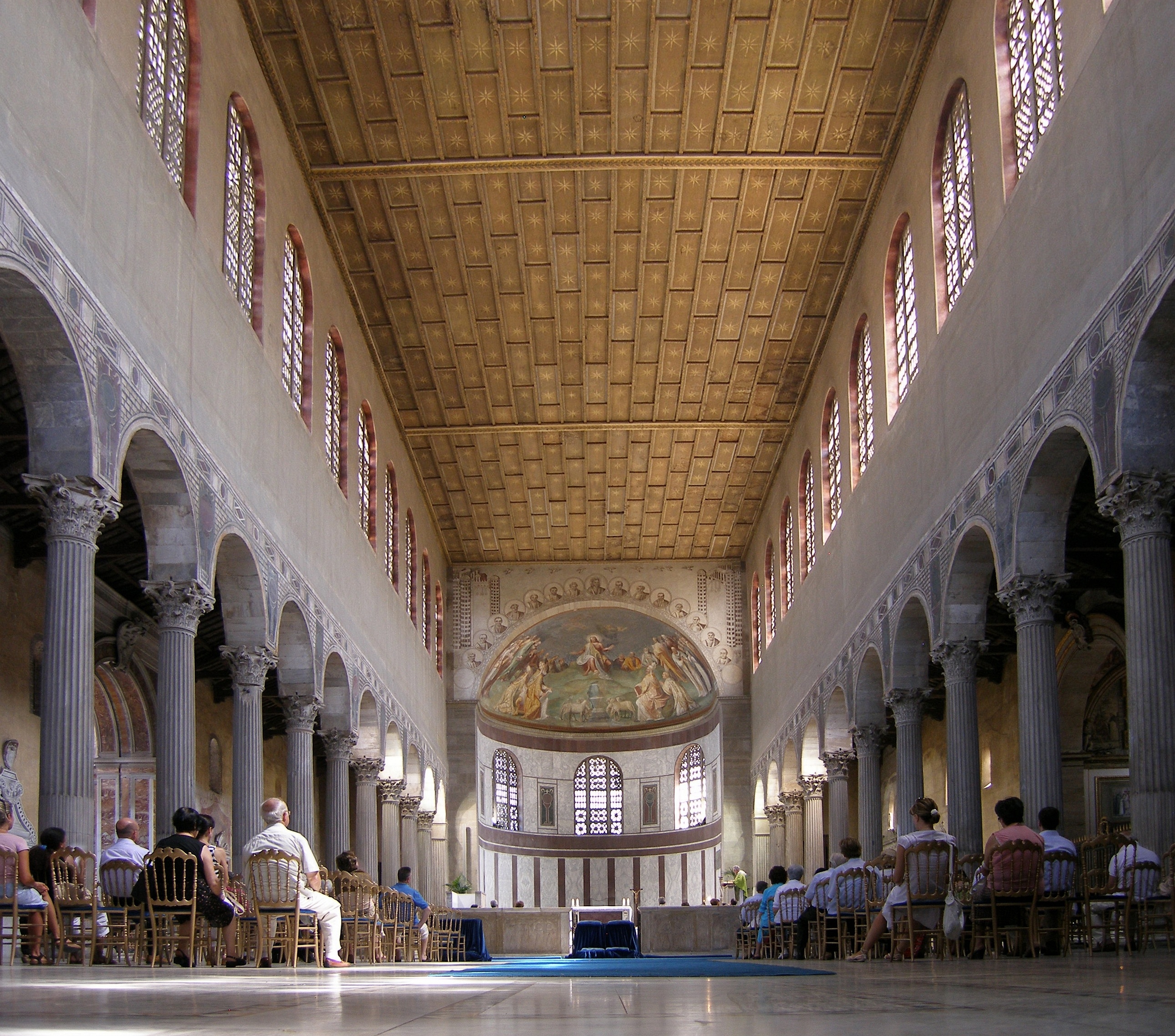
One thing that stands out as you enter Santa Sabina is the light. Large windows made of silenite, not glass, let in a lot of light. This was actually quite common in early churches, but we do not see it much today. Many of the windows were covered up over time because of the idea that darkness would be more conducive to prayer and meditation.
Four saints are buried here, Pope Saint Alexander, Saint Eventius, Saint Theodulus and, of course, Saint Sabina.
More details can be found here: https://www.rome101.com/Christian/Sabina/
Crux Stationalis takes us there more fully:
https://youtu.be/XbpEEnS1cPI?si=nPxIHFnxZlwBo_mN
Comments
Post a Comment